
You’ve looked through the floorplans more than once; you know where the sofa would go, which bedroom you’d choose and who you’d invite round first. Then you open your savings account and start doing the deposit sums again.
For many first-time buyers, that’s the frustrating part: you can picture the home and the life you’d have there, but saving enough to get started takes time, especially when rent takes a sizeable share of each month’s earnings.
The government’s Your First Home scheme aims to help shorten that wait, with support for deposits of just 2.5%. With local property price caps now published, there’s also a clearer picture of the price range covered in each area.

What is the Your First Home scheme?
The Your First Home scheme is a government-backed first-time buyer scheme in England. It allows eligible buyers to purchase a qualifying new-build home from a participating developer using a deposit of at least 2.5%, a 20% government equity loan and a repayment mortgage.
For buyers who can manage mortgage repayments but find saving a larger deposit difficult, it could make taking that first step feel more achievable.
How much deposit do you need?
The minimum deposit under the Your First Home scheme is 2.5% of the purchase price.
When you’re saving for a home, the difference between 2.5% and 5% can represent months of putting money aside. For an eligible £220,000 property, the figures look like this:
- Your deposit (2.5%): £5,500
- Government equity loan (20%): £44,000
- Repayment mortgage (77.5%): £170,500
- Total purchase price: £220,000
A 5% deposit on the same property is £11,000. This low deposit scheme for first-time buyers brings the initial deposit in that example down by £5,500.
These figures illustrate how the funding works; they don’t confirm that a particular home or buyer qualifies. A smaller deposit also means contributing less of your own money upfront, so it’s important to consider the borrowing involved alongside the savings needed.
You still need to budget for legal fees, moving costs and other purchase expenses. Those deserve a place in the budget alongside the sofa you’ve already chosen.
How does a first-time buyer mortgage work with the scheme?
Your deposit and equity loan cover part of the price, with a repayment mortgage funding the rest. Lenders still assess affordability and credit history.
Think about what feels comfortable each month, too, with enough breathing room for everyday bills and enjoying your new home.
The equity loan is interest-free for five years, with interest charged at 1.5% in year six and 3% from year seven. Interest payments don’t reduce the loan balance. An independent mortgage adviser can help you compare your first-time buyer mortgage options and understand the combined costs.
Do you have to repay the government equity loan?
Yes. Repayment is normally 20% of your home’s value when you repay, so the amount can rise or fall. The loan is usually repaid when you sell, although earlier repayment is possible.
Your conveyancer can explain the legal terms and repayment requirements before you commit.
Who qualifies for this first-time buyer scheme?
The scheme is for first-time buyers purchasing their main home. Household income is capped at £110,000 outside London and £140,000 in London.
Your chosen property must also fall within the price cap for its local authority area. These caps are now published, while full eligibility rules are due before applications open.
What is the Your First Home property price cap in Bolsover?
The Your First Home scheme has a £240,000 property price cap in the Bolsover local authority area. Homes priced above this limit fall outside the scheme in that area.
Caps vary by location, so checking the relevant local authority is an important part of building your shortlist. You can view the full government list of local property price caps to see the limit where you’re hoping to buy.
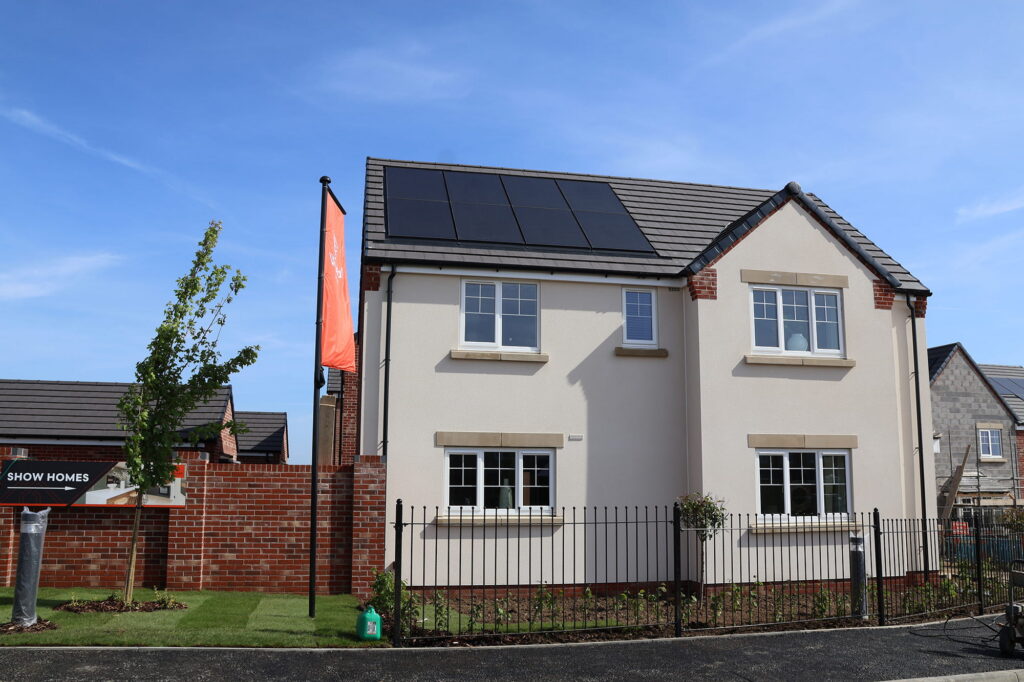
Our two-bedroom Keddleston at Oakham Grange, at £220,000, sits below Bolsover’s price cap.
Can you use the scheme on any property?
This new build deposit scheme applies to eligible new-build homes in England, bought from developers registered with the scheme. It doesn’t cover existing homes sold by their current owners. Being within the local price cap is one requirement, rather than automatic confirmation that a property qualifies.
As you browse, think about what matters beyond the deposit, too. A manageable commute, somewhere to work from home, or a garden you can make your own can all help turn a first purchase into a place you’ll enjoy living.
When does the Your First Home scheme open?
Applications are expected to open in February 2027, with first sales planned for April. Customer pre-registration is scheduled by the end of December 2026.
Getting to know your first home
While you explore whether this low deposit scheme for first-time buyers could suit you, you can begin getting a feel for the home you want.
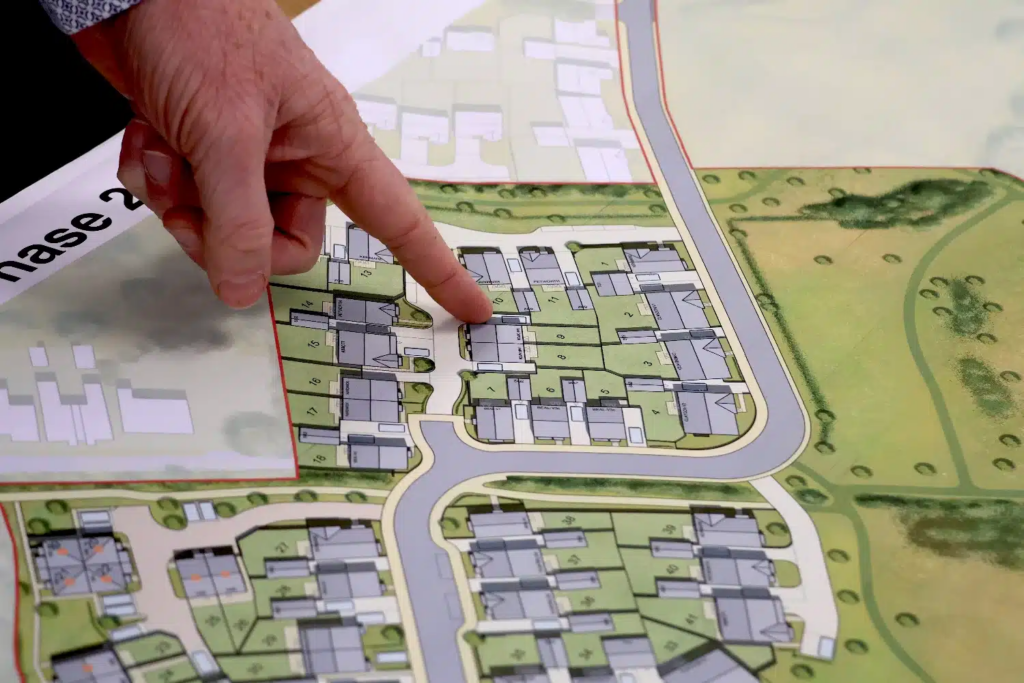
Walk through a show home, spend time in the rooms and explore the surrounding area. A floor plan tells you the dimensions; visiting helps you picture an ordinary Sunday morning there.
Explore Woodall Homes’ developments and speak to our team about current homes and future releases.