
What Are the Costs of Buying a House?
When asking “what are the costs of buying a house?”, it’s easy to focus on the purchase price alone. In reality, there are several layers of expenses that contribute to the overall cost.
While this might sound daunting at first, understanding these costs early on puts you in control – allowing you to plan ahead, avoid surprises, and move forward with confidence.
Understanding how much money you need to buy a house means factoring in both upfront payments and the additional fees when buying a house that come with securing and settling into your new property.
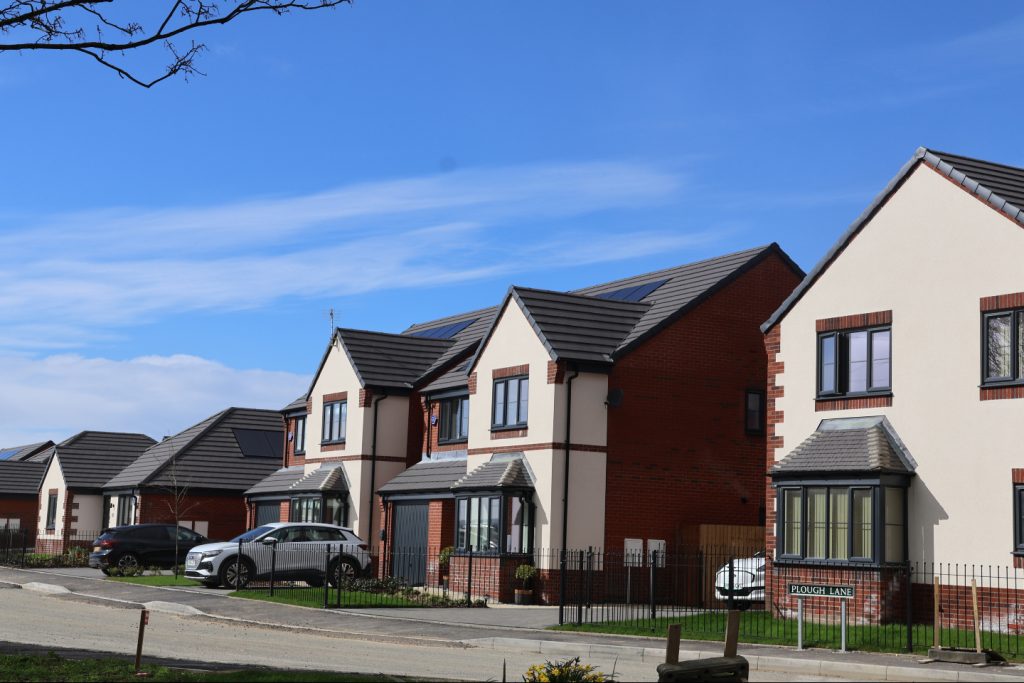
However, when buying a new build, many of the unknowns that can come with older properties – such as structural concerns or immediate refurbishment costs – are significantly reduced, giving you greater peace of mind from day one.
Quick Answer: How Much Money Do You Need to Buy a House?
If you’re looking for a simple breakdown:
• A deposit (5%–20% of the property price, or typically 25% for buy-to-let)
• Stamp duty (commonly up to 12%, if applicable)
• Legal and conveyancing fees (typically £1,000 to £2,000)
• Mortgage fees (which can vary depending on your lender)
• Moving and setup costs
In total, many buyers should expect to budget an additional amount on top of the property price. However, with a new build home, fewer unexpected costs after moving in can make budgeting more straightforward.
Deposit: Your First Step
Your deposit is usually the largest upfront cost. Most buyers put down between 5% and 20% of the property’s value, with larger deposits often unlocking more competitive mortgage rates.
For buy-to-let properties, this is typically around 25%.
For many, saving for a deposit is the biggest hurdle when calculating how much money you need to buy a house, so it’s worth planning early and exploring any schemes or incentives available.
Stamp Duty
Stamp duty is a government tax paid on property purchases above a certain threshold. The amount you pay depends on the property price and whether you’re a first-time buyer or already own a home.
It’s one of the most significant fees when buying a house, and something that should always be factored into your budget from the outset.
Legal and Conveyancing Fees
To legally transfer ownership of a property, you’ll need a solicitor or licensed conveyancer. These professionals handle contracts, searches, and the overall legal process.
Typical costs include:
• Solicitor’s fees
• Search fees (local authority, environmental, water)
• Land Registry fees
These conveyancing fees are essential to ensure everything is completed correctly and without complications.
Mortgage Fees
When arranging your mortgage, there are several potential mortgage fees to consider:
• Mortgage arrangement fee
• Mortgage advisor or broker fee
• Valuation fee (if not included)
Some lenders also offer green mortgage options, which can provide more favourable rates on energy-efficient new build homes with high EPC ratings – helping to reduce your long-term costs.
In some cases, using recommended financial advisors may also mean you won’t pay a broker fee, making the process even more cost-effective.
Estate Agent Fees (If You’re Selling Your Home)
If your move involves selling your home, you’ll need to budget for estate agent fees. These are typically a percentage of your property’s sale price.
While this is often overlooked when calculating the cost of moving house, it can be a significant outgoing and should be included in your overall plan.
Removal Costs
Moving day itself comes with its own expenses. Professional removal services can make the process much smoother, but costs will depend on:
• Distance between properties
• Volume of belongings
• Packing services required
For a more budget-friendly approach, some buyers opt for a DIY move, though this still involves van hire and time.
Life Insurance
While not always mandatory, life insurance is strongly recommended when taking on a mortgage. It provides financial protection for your loved ones, ensuring the mortgage can still be covered if the unexpected happens.
It’s an important consideration when thinking about the long-term costs of buying a house and ongoing financial commitments.
Why New Build Homes Can Offer Better Value
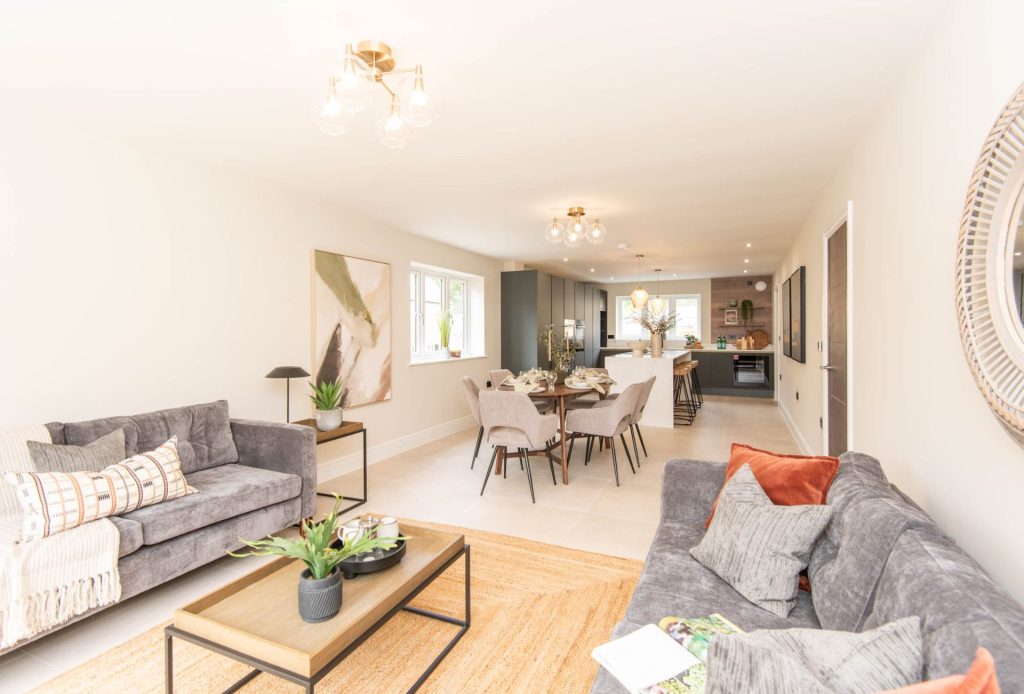
While there are costs involved in any property purchase, new build homes offer several advantages that can help reduce both upfront and ongoing expenses.
With a brand-new home, you’ll benefit from:
• A high EPC rating, helping to lower your energy bills
• Access to potential green mortgage deals with better rates
• Brand new kitchens, bathrooms, and appliances
• Minimal maintenance and no immediate repair costs
• A 2-year developer warranty
• A 10-year structural warranty from NHBC
These features not only provide peace of mind but can also make your home more cost-efficient to run from day one.
Initial Bills and Switching Suppliers
Once you’ve moved in, setting up your household services is another key step. This includes:
• Broadband and WiFi
• Gas and electricity
• Water services
• Council tax
You may also wish to shop around and switch suppliers to secure better deals, helping to manage your ongoing living costs from day one.
With an energy-efficient new build, these running costs are often lower compared to older properties, helping you save over time.

Making Your Move with Confidence
Buying a home is more than a transaction – it’s a step towards a new lifestyle. While there are costs to consider, they’re all part of building something truly your own, and with the right planning, the journey can feel just as rewarding as the destination.
By understanding what the costs of buying a house are and preparing for each stage, you can move forward feeling confident, in control, and ready to enjoy your new space from the moment you arrive.
With a new build home, many of the traditional uncertainties are removed – giving you greater peace of mind, fewer unexpected costs, and a home designed for modern living from day one. At Woodall Homes, we’re here to guide you through every step of the journey, helping you turn your plans into a place you’re proud to call home.